We all know the scroll
You’re standing in the kitchen with butter softening on the counter and onions already in the pan.
You search for easy chicken curry.
You tap the first result.
And suddenly you’re reading about a family holiday in 2009, a golden retriever called Max, and the author’s lifelong relationship with cinnamon.
Somewhere, eventually, there’s a recipe.
First, though, there’s a lot of scrolling.
It’s not actually the blogger’s fault
It can feel ridiculous, but there’s a reason so many recipe sites look like this.
Search engines generally reward pages with useful context, original writing and detailed explanations. If someone spends hours testing a recipe, taking photographs and publishing it for free, they also need that page to appear in search results.
Longer articles can help with that.
So while the internet jokes about “the life story before the lasagne,” most food bloggers aren’t padding for fun. They’re trying to make a living.
The problem is timing
The story isn’t really the problem.
The problem is when you’re trying to cook.
If you’re browsing recipes over coffee, the extra context can be interesting. Maybe you learn why a particular ingredient works, or where the recipe came from.
But if you’ve already decided to cook it?
You’re usually just trying to answer four questions.
- What ingredients do I need?
- What temperature?
- What do I do next?
- How long will it take?
Everything else can wait.
That’s why “Jump to Recipe” became a meme
There’s a reason almost every recipe website now has a Jump to Recipe button.
There are browser extensions that automatically skip straight to recipe cards.
People have even built apps just to extract recipes from web pages.
Nobody wants less cooking.
They just want less scrolling.
That’s exactly why I built Savor
When I started building Savor, I wasn’t trying to replace recipe websites.
I still discover most of my recipes there.
I just wanted a way to get from a great recipe page to something I could actually cook from.
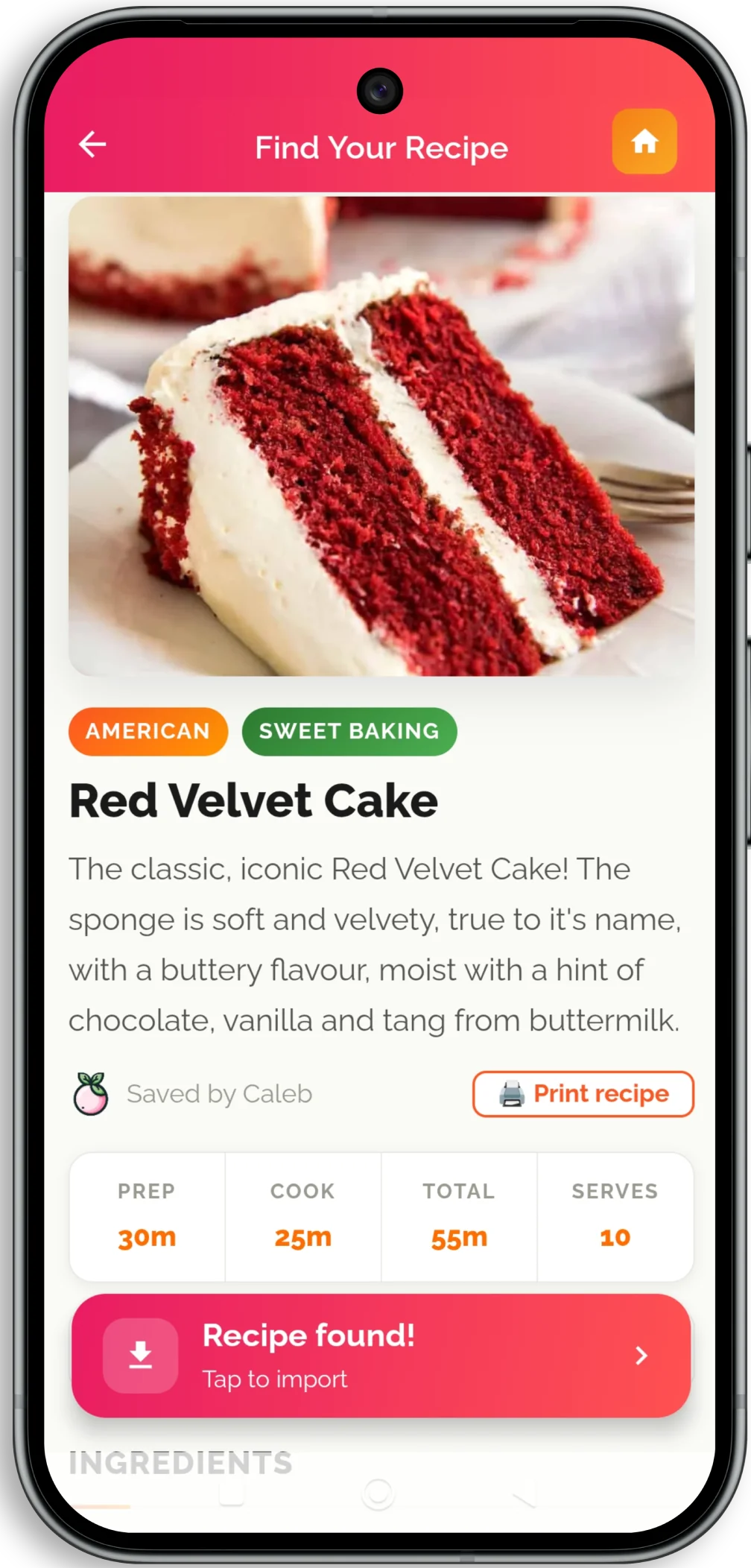
Savor searches every page you visit, and lets you know when it finds a recipe. Then it rebuilds it into clean ingredients and steps, lets you scale the servings, and saves it in your own recipe box.
The original article is still there if you want it.
The cooking version just isn’t buried underneath three thousand words.
We built a (very) over-the-top fake recipe blog just to show this off — Marguerite Hollow’s tragic lasagne saga, and the exact moment Savor cuts straight through it.
Try the demo →You don’t have to choose
Recipe blogs are where great recipes are discovered.
They’re also where people earn a living writing them.
Those stories have value.
They just aren’t always what you need when dinner’s already started.
Sometimes you want to read.
Sometimes you just want to cook.